


Heavy menstrual bleeding can have a significant impact on everyday life. For some individuals, it goes beyond a routine menstrual cycle and becomes a medical concern that affects work attendance, academic performance, physical activity, travel, and overall wellbeing. Excessive bleeding, severe cramps, fatigue, dizziness, or symptoms related to iron deficiency may make it difficult to carry out normal responsibilities safely and comfortably.
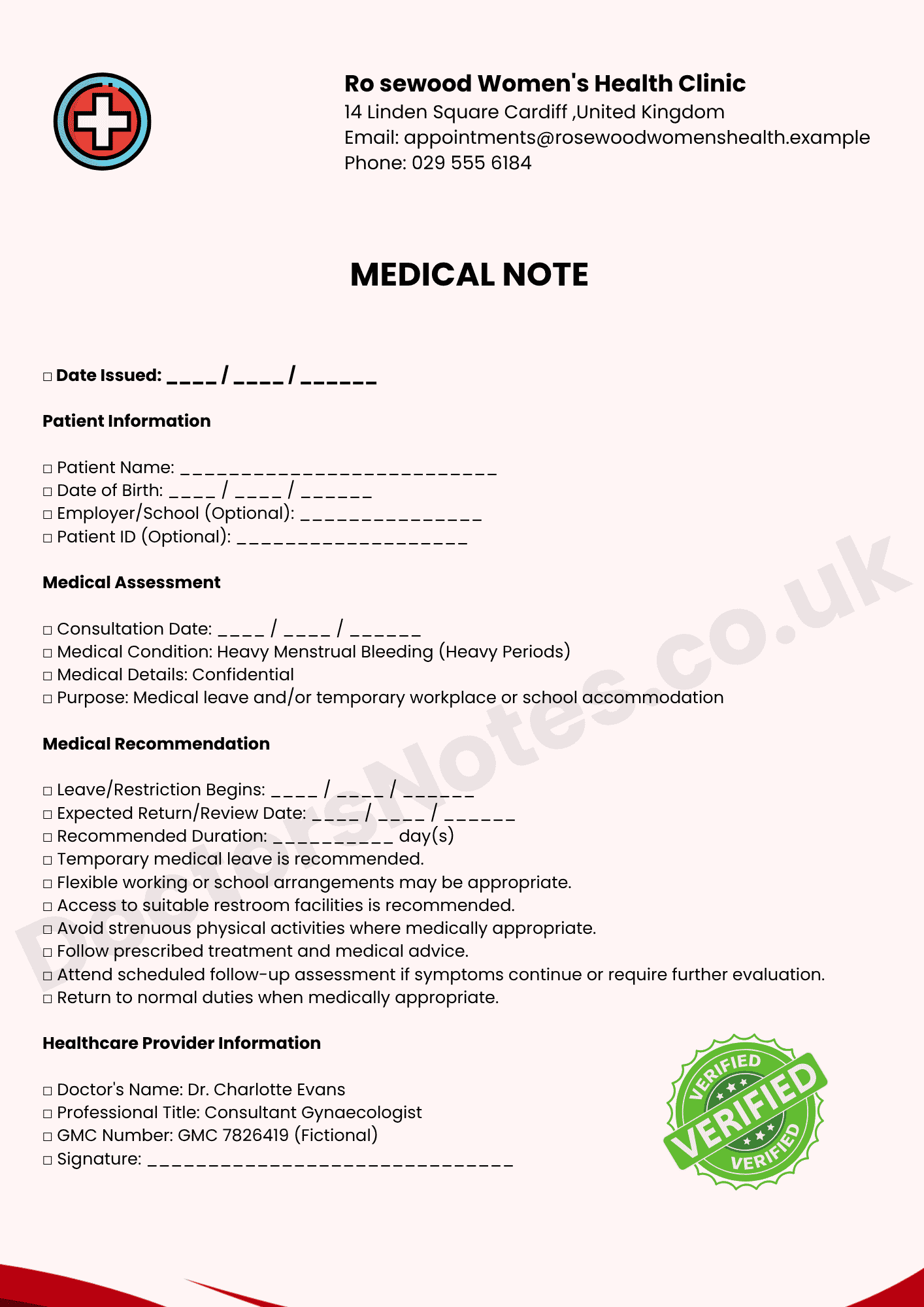
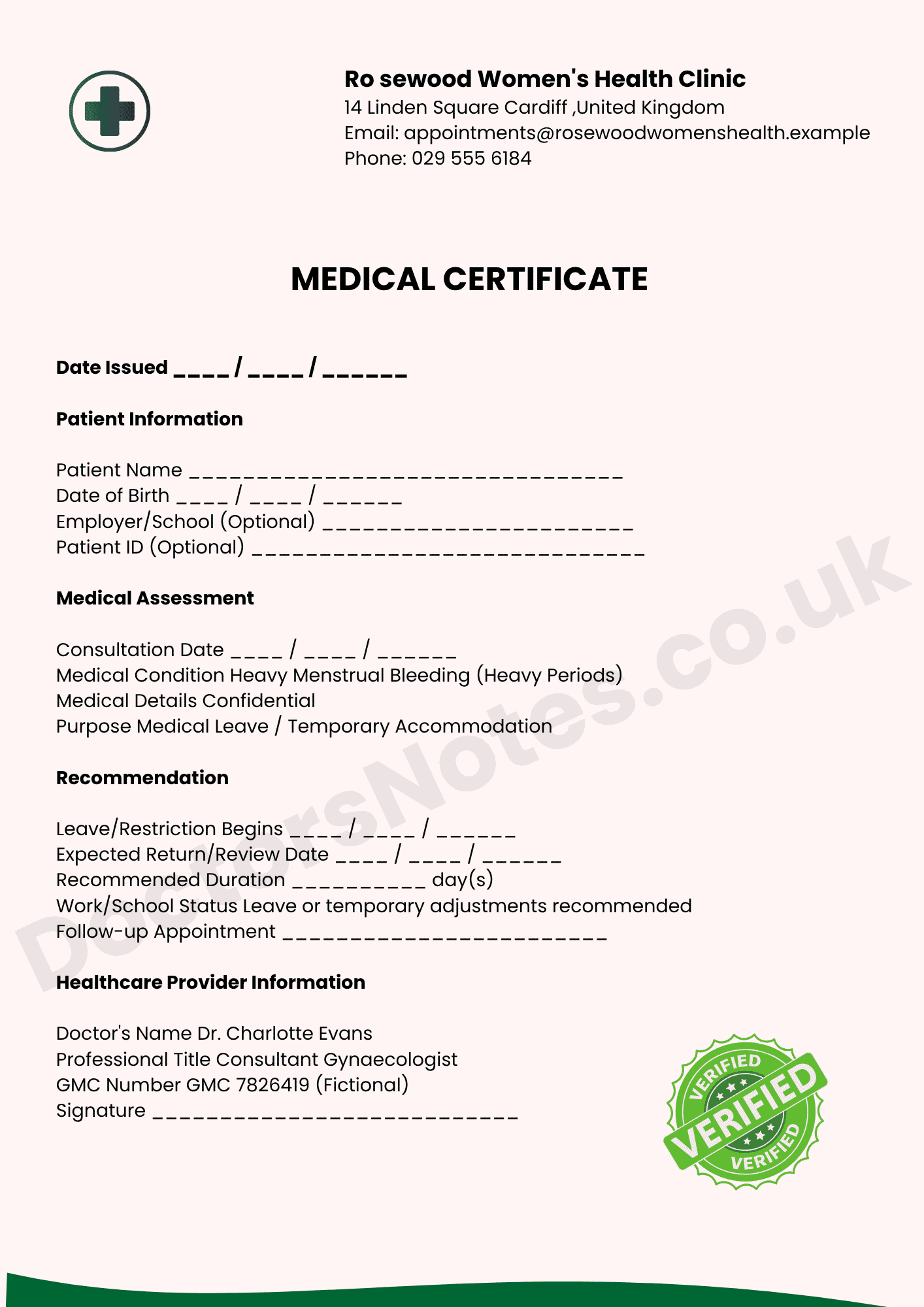
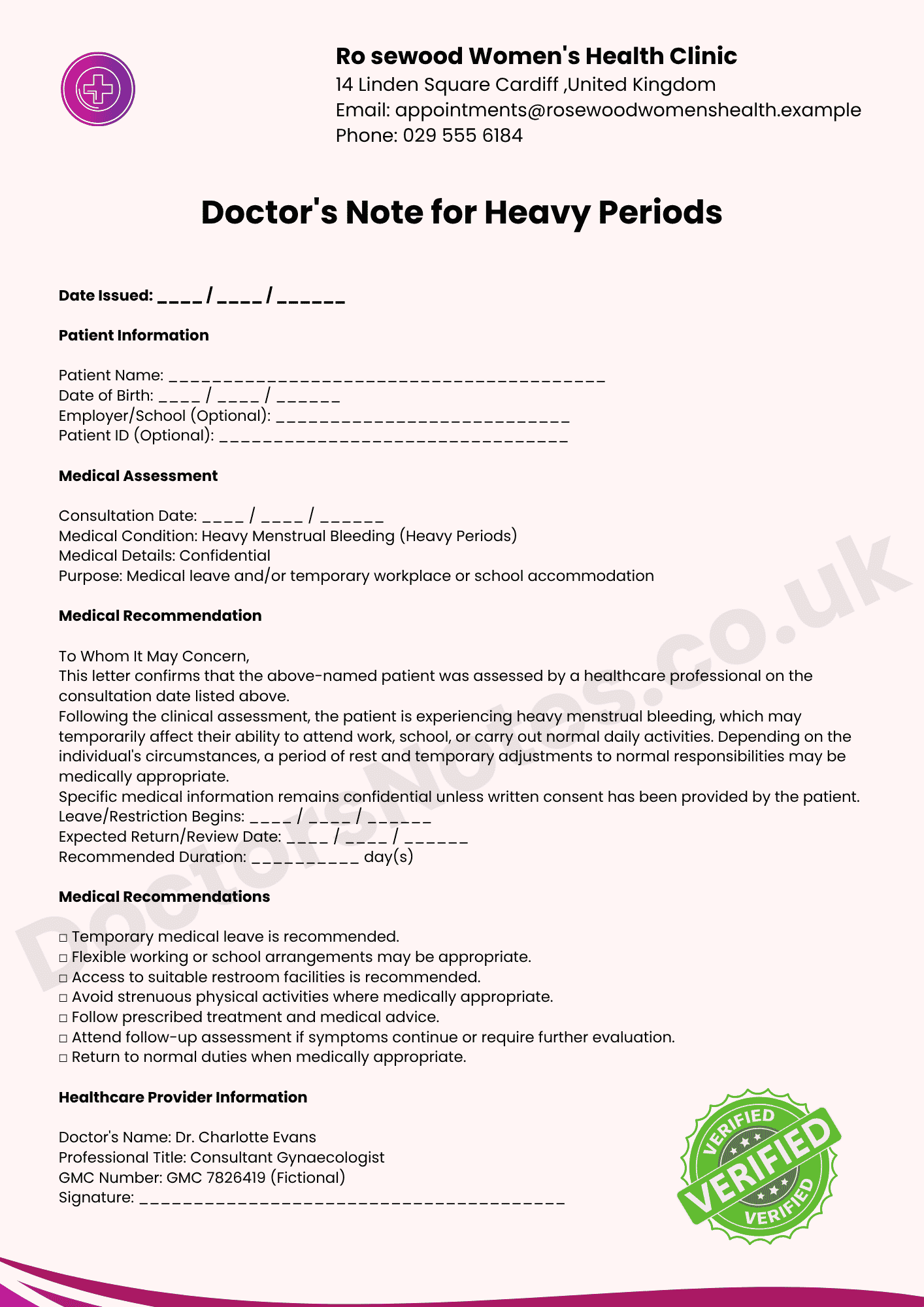
A Doctor’s Note for Heavy Periods is a professional medical document issued after an assessment by a qualified healthcare provider. It confirms that your symptoms have been medically evaluated and, where clinically appropriate, explains how heavy menstrual bleeding has temporarily affected your ability to work, study, or fulfil other commitments.
Rather than simply confirming that you were menstruating, the note explains the functional effects of your symptoms while maintaining your medical privacy. It may be used to support requests for sick leave, workplace accommodations, educational absences, examination adjustments, or other legitimate administrative purposes.
Related Post:
What Are Heavy Periods?
Heavy periods, medically known as heavy menstrual bleeding (menorrhagia), occur when menstrual bleeding is significantly heavier or lasts longer than is typical for you. While menstrual flow naturally varies between individuals, persistent or unusually heavy bleeding should be assessed by a healthcare professional to determine whether further investigation or treatment is needed.
Heavy periods are a symptom rather than a diagnosis. They may occur on their own or be associated with an underlying medical condition.
When Might You Need a Doctor’s Note for Heavy Periods?
A Medical Certificate for Heavy Periods may be requested when symptoms temporarily prevent you from carrying out your usual responsibilities.
Common situations include:
- Sick leave from work
- School absence
- University or college attendance
- Missed examinations
- Workplace accommodation requests
- Occupational health assessments
- Flexible working arrangements
- Medical evidence for attendance records
- Insurance or benefit documentation where appropriate
Medical documentation is based on a healthcare professional’s clinical assessment.
Symptoms That Can Affect Daily Activities
Heavy menstrual bleeding often involves more than increased blood loss.
Excessive Bleeding
You may need to change sanitary products much more frequently than usual or experience bleeding that disrupts normal daily activities.
Pelvic Pain and Menstrual Cramps
Some people experience severe cramping that makes sitting, standing, walking, or concentrating difficult.
Fatigue
Heavy blood loss may leave you feeling physically exhausted, particularly during the first few days of your cycle.
Dizziness or Light-Headedness
Significant blood loss can sometimes contribute to dizziness or feelings of weakness.
Reduced Concentration
Pain, fatigue, and discomfort may affect focus and productivity.
Sleep Disturbance
Night-time bleeding or pain can interrupt sleep, leading to reduced energy during the day.
Every person’s symptoms and their impact will differ.
Common Causes of Heavy Periods
Heavy menstrual bleeding may have many different causes.
Examples include:
- Hormonal changes
- Uterine fibroids
- Adenomyosis
- Endometriosis
- Polycystic Ovary Syndrome (PCOS)
- Thyroid disorders
- Certain medications
- Bleeding disorders
- Copper intrauterine devices (IUDs)
- Perimenopause
Sometimes no specific cause is identified, even after medical evaluation.
How Heavy Periods Can Affect Your Job
Heavy periods can interfere with a wide variety of occupations.
Office-Based Roles
Symptoms may affect:
- Concentration
- Long meetings
- Sitting comfortably
- Computer work
- Productivity
Physically Active Jobs
Employees working in healthcare, hospitality, retail, manufacturing, education, construction, or emergency services may find prolonged standing, lifting, or physical activity particularly difficult during severe symptoms.
Shift Work
Long shifts without adequate opportunities for rest or changing sanitary products may increase discomfort.
A Doctor’s Note for Heavy Periods for Work may support temporary adjustments or medical leave when clinically appropriate.
Workplace Accommodations That May Be Considered
Not everyone with heavy periods requires time away from work. Temporary adjustments may sometimes allow continued attendance.
Possible accommodations include:
- Flexible start and finish times
- Access to more frequent restroom breaks
- Temporary remote working where suitable
- Reduced physically demanding duties
- Flexible scheduling during severe symptom flare-ups
- Temporary workload adjustments
- Short rest breaks if clinically appropriate
Employers decide accommodation requests according to workplace policies and operational requirements.
Heavy Periods and Education
Students may also experience significant disruption during episodes of heavy menstrual bleeding.
Symptoms may affect:
- Classroom attendance
- Concentration during lectures
- Practical laboratory sessions
- Physical education activities
- Coursework deadlines
- Examination performance
Medical documentation may assist with requests for:
- Academic absence
- Deferred examinations
- Assignment extensions
- Temporary attendance accommodations
Approval depends on the policies of the educational institution.
What Happens During the Medical Assessment?
A doctor’s note is only issued following an appropriate clinical consultation.
During the assessment, your healthcare professional may ask about:
- When your symptoms began
- Duration of bleeding
- Menstrual cycle pattern
- Pain severity
- Previous medical history
- Current medications
- Pregnancy history where relevant
- Daily activities affected
- Work or study responsibilities
If necessary, further investigations or specialist referral may be recommended.
What Information Can Be Included in a Doctor’s Note for Heavy Periods?
Medical documentation contains information relevant to your request while protecting confidential health details.
A heavy periods doctor’s note may include:
| Information Included | Purpose |
|---|---|
| Patient identification | Confirms who attended the consultation |
| Date of assessment | Records the clinical review |
| Confirmation of medical evaluation | Verifies assessment by a qualified healthcare professional |
| Functional limitations | Explains how symptoms affected work or daily activities |
| Temporary recommendations | May include work or study guidance where clinically appropriate |
| Follow-up advice | Indicates whether further review is recommended |
| Healthcare provider details | Confirms the issuing clinician |
The contents depend on the outcome of the clinical assessment.
Treatment and Symptom Management
Management depends on the underlying cause, your age, medical history, and future pregnancy plans.
A healthcare professional may recommend:
- Medication to reduce menstrual bleeding
- Pain relief where appropriate
- Hormonal treatments
- Iron supplementation if deficiency is identified
- Lifestyle advice
- Further investigations
- Referral to a gynaecology specialist when necessary
Treatment is personalised according to your individual healthcare needs.
When Should You Seek Urgent Medical Attention?
While many cases of heavy menstrual bleeding can be managed with routine medical care, urgent assessment is important if you experience:
- Bleeding that soaks through sanitary protection every hour for several hours
- Severe dizziness or fainting
- Chest pain or shortness of breath
- Symptoms of severe anaemia
- Heavy bleeding during pregnancy
- Sudden severe pelvic pain with heavy bleeding
If these symptoms occur, seek immediate medical care.
Employment Rights and Medical Documentation
Employers may request medical evidence when a health condition affects attendance or job performance.
Depending on workplace policies and applicable employment law, employers may consider:
- Sick leave
- Occupational health referrals
- Flexible working requests
- Temporary workplace accommodations
- Return-to-work planning
For information relating to workplace rights and health support in the UK, individuals can refer to GOV.UK Employment Rights Guidance.
Medical documentation assists communication but does not automatically determine workplace decisions.
Can You Request a Doctor’s Note for Heavy Periods Online?
Yes, where clinically appropriate.
An online consultation allows a qualified healthcare professional to:
- Review your symptoms
- Discuss how heavy menstrual bleeding affects your daily activities
- Assess your current condition
- Provide medical advice
- Determine whether documentation is appropriate
Some situations may require an in-person examination or further investigations before recommendations can be made.
Why Choose an Online Consultation?
Convenient Medical Access
Receive professional advice without travelling when symptoms make leaving home uncomfortable.
Supports Workplace and Academic Needs
Medical documentation helps explain genuine health-related absences or temporary limitations.
Individual Clinical Assessment
Recommendations are based on your symptoms, medical history, and current health rather than a generic template.
Encourages Early Medical Care
An assessment can help identify whether further investigation or treatment is needed for persistent heavy bleeding.
Frequently Asked Questions
Can I request a Doctor’s Note for Heavy Periods online?
Yes. After an appropriate medical assessment, a qualified healthcare professional may provide documentation if it is clinically appropriate.
Can heavy periods be a valid reason for taking time off work?
Yes. Severe bleeding, pelvic pain, fatigue, or related symptoms may temporarily affect your ability to perform normal work duties, depending on your role and individual circumstances.
Can I use this doctor’s note for university or school?
Many educational institutions accept medical documentation for illness or health-related absences, although their requirements may differ.
Will my employer know the exact medical diagnosis?
Not usually. Medical documentation generally focuses on your functional limitations while protecting your confidential medical information.
Can heavy periods be linked to other medical conditions?
Yes. Heavy menstrual bleeding can sometimes be associated with conditions such as fibroids, endometriosis, adenomyosis, PCOS, thyroid disorders, or hormonal changes. A healthcare assessment can help identify possible causes.
What if my symptoms keep returning every month?
Recurring heavy periods should be discussed with a healthcare professional, as further investigations or treatment may be appropriate.
Can I request workplace accommodations instead of sick leave?
Depending on your symptoms and workplace policies, temporary adjustments may be considered where medically appropriate.
Is online medical documentation accepted everywhere?
Acceptance depends on the policies of the employer, educational institution, insurer, or organisation requesting the documentation.
Request Your Doctor’s Note for Heavy Periods Today
Heavy menstrual bleeding can affect far more than your menstrual cycle—it can influence your energy, comfort, productivity, and ability to meet everyday responsibilities. Professional medical documentation helps explain how your symptoms temporarily affect your work, education, or other commitments while allowing you to focus on your health.
A Doctor’s Note for Heavy Periods is prepared following an appropriate clinical assessment and may support workplace absence, academic accommodations, occupational health reviews, or temporary activity adjustments where medically appropriate.
Our online consultation service allows you to speak with a qualified healthcare professional, receive personalised medical advice, and determine whether documentation for heavy menstrual bleeding is appropriate—helping you manage your symptoms confidently while maintaining your professional, educational, and personal responsibilities.



Reviews
There are no reviews yet.