
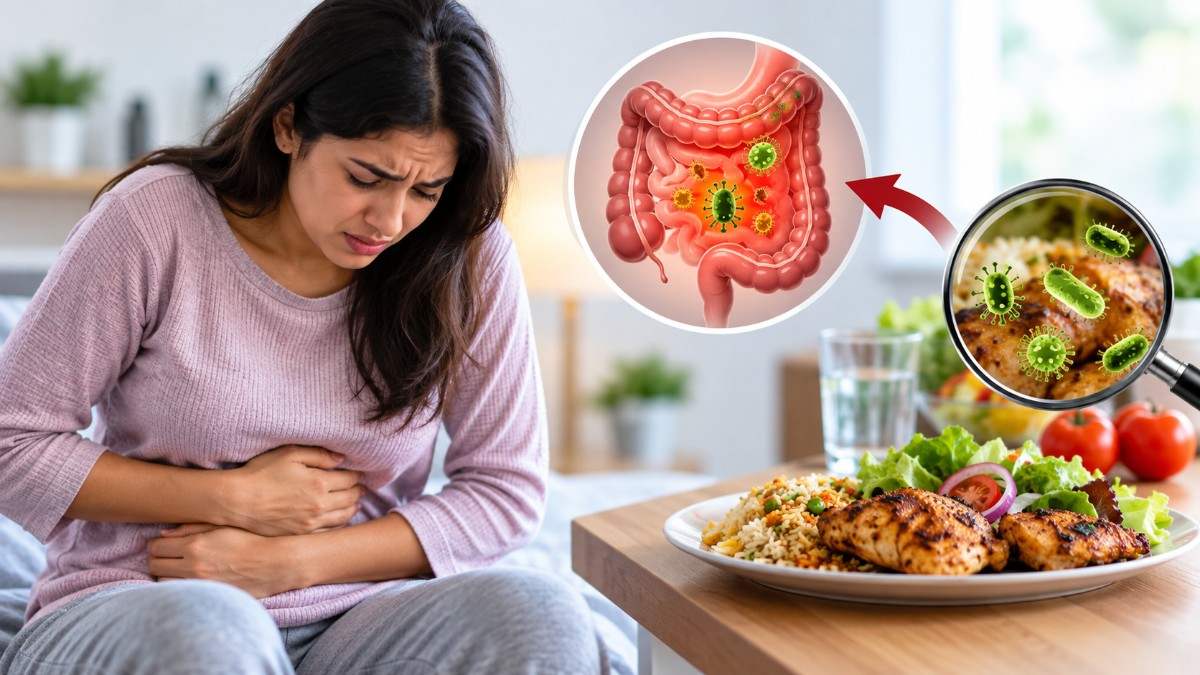
Yes. A stomach bug can cause diarrhoea, and diarrhoea is one of the most common symptoms of a stomach infection. You may also experience vomiting, nausea, stomach cramps, a raised temperature, headache, body aches and tiredness.
In the UK, a “stomach bug” often refers to viral gastroenteritis, with norovirus being a common cause. However, diarrhoea can have many other causes, including food poisoning, food intolerance, IBS and certain medicines.
For someone dealing with sudden diarrhoea, the bigger questions are often practical:
- How long will the diarrhoea last?
- Is it safe to go to work?
- How can you avoid dehydration?
- When should you contact a GP or NHS 111?
- Do you need a doctor’s note or fit note for work?
This guide answers those questions and explains what to do when a stomach bug leaves you unable to carry on with your normal routine.
How Does a Stomach Bug Cause Diarrhea?
A stomach bug affects the digestive system and can cause inflammation or irritation in the stomach and intestines.
When this happens, the digestive system may move its contents more quickly than usual and absorb fluids differently. That can lead to loose or watery stools and more frequent bowel movements.
Viral infections are a common cause of gastroenteritis. Norovirus, for example, can cause sudden diarrhoea and vomiting and spreads very easily between people.
The term “stomach bug” is broad, though. Not every episode of diarrhoea comes from the same infection.
Stomach bug vs other causes of diarrhoea
| Possible cause | Typical clue |
|---|---|
| Stomach bug | Often begins suddenly and may involve diarrhoea, vomiting, cramps or feeling unwell |
| Food poisoning | Can follow contaminated food and may cause diarrhoea, vomiting, cramps or fever |
| Food intolerance | Symptoms may repeatedly occur after a particular food |
| IBS | Diarrhoea can occur alongside abdominal pain, bloating or changes in bowel habits |
| Medicine side effect | Symptoms may begin after starting or changing certain medicines |
| Coeliac disease or IBD | May cause persistent or recurring digestive symptoms |
The NHS lists stomach bugs and food poisoning among the most common causes of diarrhoea and vomiting, while other possible causes include food intolerance, IBS, anxiety, inflammatory bowel disease and coeliac disease.
What Are the Symptoms of a Stomach Bug?
A stomach bug can affect people differently, but symptoms often appear fairly suddenly.
Common symptoms include:
- Diarrhoea
- Vomiting
- Nausea
- Stomach cramps
- Tummy pain
- A high temperature
- Headache
- Aching limbs or muscles
- Tiredness
Norovirus, in particular, commonly causes sudden nausea, vomiting and diarrhoea. Some people also develop a temperature, headache, tummy pain or body aches.
You do not necessarily need to experience every symptom.
Can you have a stomach bug with only diarrhea?
Yes.
A stomach infection does not have to cause vomiting. Some people mainly experience diarrhoea, abdominal discomfort or general weakness.
That said, diarrhoea on its own cannot tell you exactly what caused the problem. Persistent or recurring diarrhoea may require a different explanation and medical assessment.
How Long Does Diarrhea From a Stomach Bug Last?
The duration depends on the infection and the individual.
The NHS says diarrhoea in adults and children usually stops within 5 to 7 days, while vomiting generally settles within 1 to 2 days.
Norovirus is often shorter-lived. The NHS says people with norovirus usually get better in around 2 days, although symptoms can last longer in some people.
What if your diarrhea is lasting longer?
Diarrhoea that continues beyond the expected recovery period should not simply be ignored.
The NHS advises contacting NHS 111 if diarrhoea lasts more than 7 days. You should also seek advice sooner if you develop bloody diarrhoea, cannot keep fluids down or continue to have signs of dehydration.
How Can You Tell If Your Diarrhea Is From a Stomach Bug?
There is no single symptom that proves you have a stomach bug.
However, a sudden onset of diarrhoea with nausea, vomiting, stomach cramps or feeling generally unwell can fit the pattern of an acute stomach infection.
It can also be useful to consider what happened before your symptoms started.
For example:
Sudden illness + vomiting + diarrhoea + someone around you is also ill
→ A contagious stomach infection may be possible.
Diarrhoea after a meal + several other people who ate the same food become ill
→ Food poisoning may be a possibility.
Repeated diarrhoea after consuming the same food
→ Food intolerance or another food-related problem may need consideration.
Diarrhoea that keeps returning for weeks or months
→ A recurring digestive condition may need medical assessment.
These patterns are clues rather than a diagnosis.
Stomach Bug or Food Poisoning: What’s the Difference?
Stomach bugs and food poisoning can look very similar.
Both can cause:
- Diarrhoea
- Vomiting
- Nausea
- Stomach cramps
- Fever
- Tiredness
The way they are acquired can differ.
A stomach bug such as norovirus can spread from an infected person, contaminated surfaces, food or water. Food poisoning results from consuming food or drink contaminated with harmful organisms or toxins.
Because symptoms overlap, you cannot always identify the cause based on symptoms alone.
What Should You Do When a Stomach Bug Causes Diarrhea?
For most people, the immediate priority is preventing dehydration and allowing the body to recover.
1. Drink plenty of fluids
Diarrhoea causes your body to lose fluid. Vomiting can increase those losses.
Drink regularly and take small sips if you feel sick. Oral rehydration solutions can also be useful when fluid and electrolyte losses are significant; a pharmacist can advise whether one is appropriate.
2. Rest
A stomach infection can leave you exhausted even after the worst symptoms have passed.
Taking time to rest can make it easier to recover and reduces the temptation to push through normal activities while you are still unwell.
3. Eat when you feel able
You do not generally need to completely stop eating.
The NHS advises eating when you feel able and notes that fatty or spicy foods may be worth avoiding temporarily if they make your symptoms worse.
4. Reduce the chance of spreading the infection
Good hygiene is particularly important with infectious diarrhoea.
Wash your hands thoroughly with soap and water, particularly after using the toilet and before preparing or eating food.
For norovirus, the NHS specifically notes that alcohol hand gel does not kill the virus effectively.
Can You Go to Work With a Stomach Bug?
You should generally stay away from work while you have diarrhoea or vomiting.
The NHS recommends staying off work or school until you have had no diarrhoea or vomiting for at least 48 hours. This helps reduce the risk of passing an infectious illness to other people.
That 48-hour period matters even when you start feeling better.
You may feel well enough to leave the house before the exclusion period has ended, but returning to a shared workplace too soon can expose colleagues and other people to infection.
This is particularly important if you work in:
- Healthcare
- Childcare
- Food preparation
- Restaurants or catering
- Care homes
- Schools
- Other settings involving close contact with vulnerable people
What If You Work From Home?
Working from home removes the problem of travelling to an office, but it does not automatically mean you should work through a stomach bug.
Repeated diarrhoea can make it difficult to:
- Concentrate
- Attend long meetings
- Work continuously
- Stay away from the bathroom
- Manage normal workloads
- Recover properly
Someone who is genuinely unwell may need time away from work even when their job can technically be performed from home.
Your ability to work should be considered alongside your symptoms, not simply your physical location.
Can a Stomach Bug Be a Reason to Take Sick Leave?
Yes.
A stomach bug can temporarily affect your ability to perform your normal duties. Diarrhoea, vomiting, abdominal pain, weakness and dehydration can make ordinary work difficult or unsafe.
For example, someone with severe diarrhoea may struggle with a long commute, while a person working in healthcare or food preparation may also have a responsibility to avoid exposing others to infection.
In the UK, employees can generally self-certify sickness for the first 7 calendar days. When sickness lasts longer, an employer may ask for a fit note.
Workplace policies can vary, so check what your employer requires.
Do You Need a Doctor’s Note for a Stomach Bug?
Not necessarily.
For a short period of sickness, you can generally self-certify rather than obtaining medical evidence immediately.
A fit note may become relevant when your illness lasts longer than 7 calendar days and your employer requests evidence.
It is also important to distinguish between a fit note and a general doctor’s letter. They may serve different purposes, and an employer or organisation may specifically request one type of document.
What should medical documentation contain?
Where appropriate, legitimate medical documentation may confirm relevant details about a genuine health problem and its effect on your ability to work.
It should reflect your actual circumstances. Medical documentation should never be fabricated, exaggerated or backdated.
Need Legitimate Medical Documentation for Sickness Absence?
Sometimes the practical problem continues after you have dealt with the symptoms.
Your employer, school, university or another organisation may ask for evidence relating to a genuine period of sickness.
Doctors Notes for Diarrhea online medical assessment and documentation for eligible circumstances. Before ordering, check what your organisation actually requires, particularly if it specifically asks for a fit note.
If medical documentation is appropriate for your circumstances, having the correct type of evidence can make the administrative side of sickness absence more straightforward.
Explore the relevant DoctorsNotes.co.uk service when you need legitimate medical documentation connected with a genuine illness.
How Can You Prevent a Stomach Bug From Spreading?
Stomach infections can spread very easily, particularly in shared environments.
During illness:
- Wash your hands with soap and water after using the toilet.
- Wash your hands before preparing or eating food.
- Avoid preparing food for other people while you are ill.
- Clean frequently touched bathroom surfaces.
- Wash contaminated clothes and bedding appropriately.
- Avoid sharing towels and personal items.
- Stay away from work or school until at least 48 hours after diarrhoea and vomiting have stopped.
The NHS recommends these measures for reducing the spread of diarrhoea and vomiting illnesses.
When Should You Contact NHS 111 for Diarrhea?
Most stomach bugs can be managed at home, but certain symptoms warrant medical advice.
Contact NHS 111 if:
- Your diarrhoea lasts more than 7 days.
- You have bloody diarrhoea.
- You keep being sick and cannot keep fluids down.
- You continue to show signs of dehydration.
- You are worried about your symptoms.
- You are caring for a young child who may be becoming dehydrated.
The NHS also recommends urgent advice when dehydration continues despite oral rehydration treatment.
Signs of dehydration can include:
- Passing urine less often
- Dark urine
- Dry mouth
- Dizziness
- Unusual tiredness
Babies, young children and older adults can be particularly vulnerable to dehydration.
When Is Diarrhea an Emergency?
Severe symptoms should not be managed solely through an online article.
Seek emergency help for symptoms such as:
- Vomiting blood
- Severe or sudden abdominal pain
- Serious difficulty breathing
- Severe confusion or reduced responsiveness
- Other symptoms suggesting a medical emergency
Call 999 or go to A&E when immediate emergency care is required.
Stomach Bug Diarrhea: Quick Guide
| Question | Short answer |
|---|---|
| Can a stomach bug cause diarrhoea? | Yes. It is a common symptom. |
| Can you have diarrhoea without vomiting? | Yes |
| How long can diarrhoea last? | Often several days; NHS guidance says usually 5–7 days |
| How long does norovirus usually last? | Often around 2 days |
| Should you go to work with diarrhoea? | Generally no |
| When can you return to work? | After at least 48 hours without diarrhoea or vomiting |
| What is the biggest immediate concern? | Dehydration |
| When should you seek advice? | For persistent, severe or concerning symptoms |
| Can a stomach bug justify sick leave? | Yes, when symptoms prevent normal work |
| Do you automatically need a doctor’s note? | No; short sickness can generally be self-certified |
Related Doctor’s Note:
Doctor’s Note for Stomach Virus
Doctor’s Note for work IBS
Doctor’s Note for Constipation
Doctor’s Note for Gateroentritis
Doctor’s Note for Food Poisoning
Frequently Asked Questions
Can a stomach bug cause watery diarrhea?
Yes. Viral gastroenteritis, including norovirus, commonly causes diarrhoea that can be watery.
Can you have a stomach bug without vomiting?
Yes. Vomiting is common with some stomach infections, but diarrhoea can occur without vomiting.
How long does stomach bug diarrhea last?
It varies. The NHS says diarrhoea usually stops within 5 to 7 days, while norovirus commonly improves in around 2 days.
Can a stomach bug cause diarrhea for a week?
It can. Diarrhoea may last several days, but the NHS recommends contacting NHS 111 when it continues for more than 7 days.
Should I stay home from work with a stomach bug?
Yes. You should generally stay away from work while you have diarrhoea or vomiting and wait at least 48 hours after these symptoms stop before returning.
Can you work from home with a stomach bug?
Technically, some people may be able to perform limited work from home, but being at home does not mean you are well enough to work. Rest and recovery should take priority when symptoms significantly affect your ability to function.
Can you get a sick note for a stomach bug?
A healthcare professional may provide appropriate medical documentation when your circumstances warrant it. For employment, remember that a fit note is generally not required for the first 7 calendar days of sickness because employees can normally self-certify during that period.
Is a stomach bug the same as food poisoning?
Not exactly. Both can cause diarrhoea and vomiting, but a stomach bug is commonly an infection such as norovirus, while food poisoning results from consuming contaminated food or drink. Their symptoms can overlap.
When should I worry about diarrhea from a stomach bug?
Seek medical advice if you have bloody diarrhoea, cannot keep fluids down, develop signs of dehydration, or have diarrhoea lasting more than 7 days. Severe symptoms require urgent medical attention.
Conclusion
A stomach bug can absolutely cause diarrhoea. Infections such as norovirus can produce sudden diarrhoea, vomiting, nausea and stomach cramps, with most cases improving within a few days.
The main priorities are fluids, rest, hygiene and preventing the infection from spreading. Do not return to work simply because you start feeling better; NHS guidance recommends waiting at least 48 hours after diarrhoea or vomiting has stopped.
When a stomach bug genuinely prevents you from working and you need medical evidence, make sure you obtain the type of documentation your employer actually requires. DoctorsNotes.co.uk provides an online medical assessment and documentation route for eligible circumstances, giving users a practical option when legitimate sickness documentation is needed.

Dr. Anuj provides convenient online medical consultations for patients across the UK, making it easier to speak with a doctor without the need for an in-person visit.
Through secure online consultations, Dr. Anuj can assess your symptoms, discuss your concerns, and provide appropriate medical guidance. Where medically appropriate and legally permitted, a doctor’s note or medical documentation may also be provided following the consultation.